 British Manufacturer | Est. 1890
  ISO Registered Company


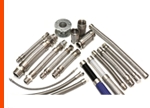


In modern farming and agriculture, having flexible, durable, and purpose-built tubing can transform the way you irrigate, ventilate, manage grain or seed, handle slurry, or distribute fertilisers — reducing downtime, boosting efficiency and improving safety. Flexible tubing offers far more versatility than rigid pipes, and the right choice can make all the difference.
What Makes Flexible Tubing Ideal for Agriculture
Adaptable and flexible for variable layouts. Farms and agricultural buildings often require tubing to navigate awkward layouts, barns, silos, or greenhouses. Flexible tubing can bend, snake around corners or under fixtures — where rigid pipe would be impractical.
Durable enough for demanding tasks. Agricultural hoses and ducts are used for water, slurry, feed, fertiliser, seed, grain, fumes and ventilation. A high-quality tubing must resist abrasion, chemical exposure, moisture, UV, and rough handling.
Versatile across many farm operations. Whether you need irrigation, slurry spreading, grain handling, barn ventilation, chemical/fertiliser spraying or water transfer — flexible hoses serve a wide variety of tasks.
Better ventilation and air flow for livestock or crops. In barns, greenhouses or storage facilities, good ventilation helps control humidity, heat and air quality — which supports animal welfare and crop health. Flexible ducting simplifies installation and maintenance of ventilation systems.
Key Use Cases on the Farm
Flexible tubing can support a wide range of agricultural tasks:
- Irrigation and water supply — delivering water to crops or livestock across fields, even to difficult-to-reach areas.
- Fertiliser, feed or seed distribution — enabling accurate and efficient spreading or delivery of granules, seed or feed, whether via broadcast spreaders or seed drill systems.
- Grain, seed or slurry handling and transfer — useful for moving bulk materials safely, whether into silos, storage or for processing.
- Ventilation, dust and air-flow control — essential in barns and storage facilities to prevent moisture build-up, mold or poor air quality; flexible ducts make ventilation setups easier and more efficient.
- Water drainage, waste disposal or pumping tasks — helping manage water supply, drainage and waste transfer, supporting sanitation and waste-management needs on the farm.
What to Look for When Choosing Flexible Tubing for Agriculture
- Choose hoses or ducts with abrasion, moisture, UV and chemical resistance, especially if they’ll be used outdoors, with slurry, fertiliser or feed.
- Ensure the tubing is flexible yet robust, capable of bending without kinking or collapsing, even under load or during frequent movement.
- For slurry, grain or dust handling — a smooth internal bore and good flow characteristics help prevent blockages or buildup.
- For ventilation or air-flow — ensure tubing is compatible with fans or extraction units, and resistant to environmental factors (moisture, dust, temperature).
Our flexible tubing and hose solutions cover the full spectrum of agricultural needs — from irrigation and water transfer to slurry handling, grain transfer, ventilation and feed distribution. Built with quality materials that resist wear, UV, moisture and harsh chemicals, they are designed for long-term durability.
With a range of sizes and flexibility options, they can be adapted to barns, fields, greenhouses, storage facilities or processing plants — whatever your farm layout demands.
Whether you run a small holding or a large agricultural enterprise, investing in the right flexible tubing pays off: less maintenance, better reliability, and more efficient, safer workflows across all farming tasks.


