 British Manufacturer | Est. 1890
  ISO Registered Company


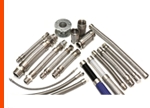


Choosing the correct conduit is one of the most important decisions when designing or maintaining an electrical installation. Whether you’re protecting power cables, control wiring or data cables, selecting the right conduit can improve reliability, reduce maintenance costs and extend the lifespan of your installation.
Both flexible conduit and rigid conduit have their place, but understanding the differences will help ensure you choose the most suitable solution for your environment.
What Is Flexible Conduit?
Flexible conduit is designed to protect electrical cables while allowing movement, vibration and easy installation around obstacles. It is widely used in industrial environments where equipment may move or where complex cable routing is required.
Typical applications include:
- Manufacturing machinery
- Robotics
- CNC machines
- HVAC equipment
- Railway systems
- Marine installations
- Automotive production
- Food processing plants
Flexible conduit is available in a variety of materials including galvanised steel, stainless steel and PVC-covered options, allowing it to be selected for different environments and operating conditions.
What Is Rigid Conduit?
Rigid conduit provides maximum mechanical protection and is generally installed in straight runs. It offers excellent impact resistance but requires fittings and bending equipment during installation.
It is commonly used in:
- Commercial buildings
- Fixed electrical installations
- External wall installations
- Heavy-duty infrastructure
- Large industrial buildings
Installation Comparison
One of the biggest advantages of flexible conduit is the speed of installation.
Because it bends naturally around corners, machinery and structural obstacles, installers can often complete projects much faster with fewer fittings.
Rigid conduit normally requires:
- Measuring
- Cutting
- Threading
- Mechanical bending
- Additional couplers and elbows
This increases both installation time and labour costs.
Performance in Moving Equipment
Flexible conduit is specifically designed for environments where vibration or movement is present.
Examples include:
- Conveyor systems
- Packaging machinery
- Production lines
- Industrial robots
- Mobile equipment
Rigid conduit can suffer from fatigue where constant movement occurs, whereas flexible conduit absorbs vibration without placing excessive stress on cables.
Protection Levels
Both conduit types provide excellent cable protection, although they are suited to different situations.
Flexible conduit provides:
- Excellent abrasion resistance
- Protection from vibration
- Easier maintenance access
- Improved cable life in moving applications
Rigid conduit provides:
- Maximum impact resistance
- Excellent structural protection
- High security for permanent installations
Corrosion Resistance
Material selection is important.
Galvanised steel conduit performs well in most industrial environments.
For more aggressive environments such as chemical plants, offshore installations or food processing facilities, stainless steel conduit offers significantly improved corrosion resistance.
PVC-covered flexible conduit also provides additional protection where moisture, oils or chemicals are present.
Maintenance Considerations
Flexible conduit simplifies maintenance because cables can often be accessed more easily without dismantling large sections of the installation.
In facilities where machinery is regularly upgraded or modified, flexible conduit can significantly reduce downtime.
Which Option Should You Choose?
Choose flexible conduit if your installation involves:
- Machinery
- Equipment vibration
- Frequent maintenance
- Complex cable routing
- Moving components
- Industrial automation
Why Choose Whitehouse Flexible Tubing?
At Whitehouse Flexible Tubing, we supply a wide range of high-quality flexible conduit solutions for industrial, commercial and specialist applications.
Our range includes galvanised steel conduit, stainless steel conduit, PVC-covered conduit and specialist products designed to withstand demanding operating environments.
If you’re unsure which conduit is best suited to your application, our experienced team can help you select the most appropriate solution. Contact us to discuss your requirements.
Frequently Asked Questions
Is flexible conduit suitable for outdoor use?
Yes. Many flexible conduit products are designed for outdoor installations, particularly PVC-covered and stainless steel options.
Can flexible conduit replace rigid conduit?
In many industrial applications it can, particularly where movement or vibration is present.
Which conduit is best for machinery?
Flexible conduit is generally the preferred choice because it accommodates vibration and movement.
Is stainless steel conduit worth the extra cost?
Where corrosion is a concern, stainless steel often provides a significantly longer service life.
Can flexible conduit be used in food manufacturing?
Yes. Stainless steel flexible conduit is widely used within hygienic and washdown environments.


